By Zach Collier
As outfitters we tend to measure the value of outfitter associations by what directly improves our operations: safer trips, better-trained guides, clearer regulations, and long-term access to the places we work. Over the years I’ve come to believe that no single organization no matter how effective can deliver all of that alone.
America Outdoors is our national organization and plays a critical role. It provides a unified voice in Washington, D.C., tracks federal policy, supports industry-wide risk management needs, and helps elevate professionalism across the outfitting industry. That work is essential.
But it’s only part of the picture.
Over the years I’ve seen this work firsthand through my involvement with several state and river-based organizations, including the Idaho Outfitters & Guides Association (IOGA), the Oregon Outfitters & Guides Association (OOGA), the Middle Fork Outfitters Association (MFOA), Wild Rogue Outfitters Association (WROA), and the Kalmiopsis Guides Association (KGA). While there are many effective organizations doing similar work across the country, my perspective here is shaped by direct experience serving with these groups and seeing the tangible impact they have on access, operations, and long-term river stewardship.
State Associations: Working with State regulators and legislators
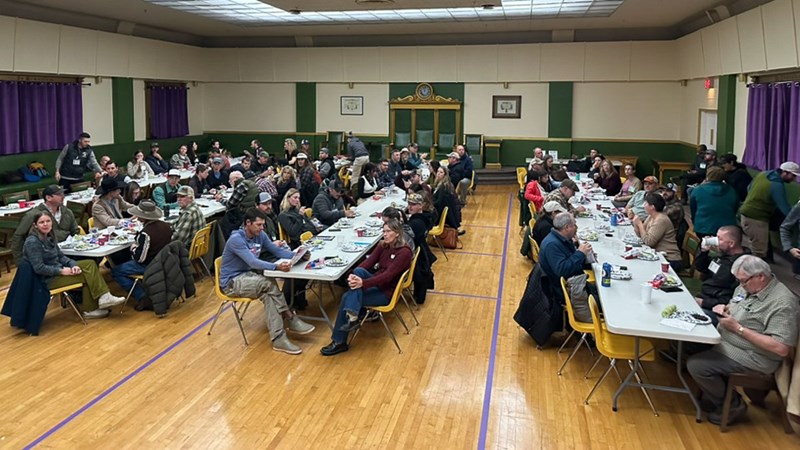 Many of the rules that shape our day-to-day operations don’t originate at the federal level. They come from state legislatures, state agencies, and regional offices that interpret and enforce policy on the ground.
State outfitter associations are uniquely positioned to:
- Build direct relationships with state land managers and regulators
- Respond quickly to proposed rule changes or permit modifications
- Advocate in real time when access, fees, or operating conditions are threatened
- Represent local economic realities to decision-makers who may not understand seasonal tourism or river-based businesses
- Advocate for changes in state law that support the outfitting industry
- Push back against unreasonable proposed state legislation
When something changes suddenly like new permitting language, emergency closures, or agency staffing shortages it’s often a state association that gets the first call and convenes the first meeting.
State outfitter associations can take different forms depending on resources, leadership capacity, and current needs. Some operate proactively, with an executive director, an active board, and regular meetings which allows them to engage consistently on policy, agency relationships, and long-term planning. The Idaho Outfitters & Guides Association (IOGA) is an example of this more active model.
The Oregon Outfitter and Guides Association operates with a less active model and no paid staff. The organization is maintained by volunteer members doing minimal work day to day and mobilizing primarily when a specific issue arises. There is real value in maintaining an established 501(c)(6) organization and bank account as it allows outfitters to ramp up quickly and respond effectively when access, regulatory, or policy issues require action.
River Associations: Quick action based on relationships and institutional knowledge
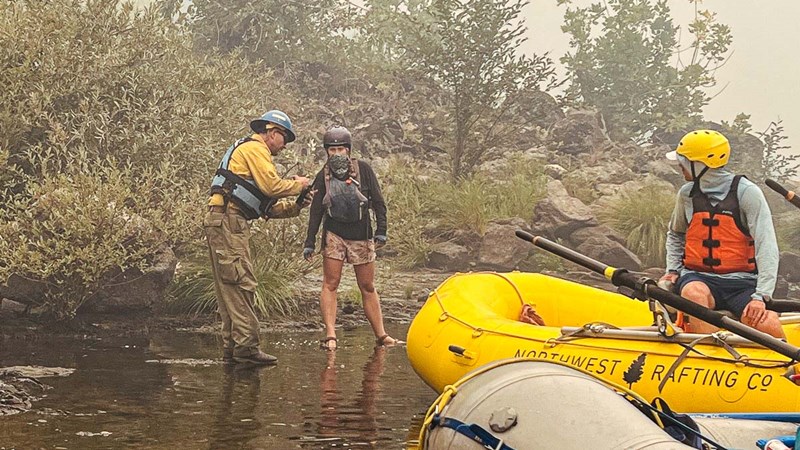
River-based organizations narrow that focus even further. Each river has its own character, management challenges, permit structure, and history. River associations exist because no one understands those nuances better than the people who work there year after year.
These organizations often:
- Provide continuity as agency staff rotate in and out
- Coordinate with other outfitters, private boaters, and additional stakeholders
- Advocate for trail access, campsite maintenance, hazard mitigation, and post-fire or post-flood recovery
- Preserve institutional knowledge that would otherwise be lost
- Build long term relationships and trust with local, state, and federal agencies
- Organize collaborative river cleanups, training, and/or conservation events
On rivers like the Rogue and the Middle Fork of the Salmon, collaboration among outfitters through groups such as the Wild Rogue Outfitters Association and the Middle Fork Outfitters Association provide a consistent forum for communication and coordination. These organizations work closely with federal land management agencies during wildfire events and post-fire recovery to track closures, access issues, and evolving conditions, and then share that information quickly with outfitter members so businesses can plan ahead and communicate accurately with guests.
Regular communication, along with periodic in-person meetings, allows outfitters to engage productively with land managers early in the decision-making process rather than reacting after decisions have already been made. Those in-person conversations also help build trust among outfitters and strengthen working relationships with agency staff.
Complementary, Not Competitive
This isn’t an argument for choosing one organization over another. It’s an argument for recognizing that a healthy outfitting industry needs representation at multiple levels.
National organizations like America Outdoors generally address broad policy trends and represent the industry at the federal level. State and river organizations are more focused on local and state issues. When these organizations communicate and support one another, outfitters are better represented and better prepared.
Participation Matters at the Board Level
One thing all of these organizations have in common is that they depend on active participation from outfitter members. Effective associations don’t run themselves. They rely on board members and volunteers who understand operations, safety, staffing, and the economic realities of outfitting. People who are willing to show up to meetings, review documents, talk with agencies, and help guide long-term strategy make a meaningful difference.
Serving on a board isn’t the right fit for everyone at every stage of their business or career. That said, when outfitters are able to contribute time and experience, board service can be one of the most effective ways to support the rivers, access, and regulatory frameworks our businesses depend on. Even a single committed voice can help steer conversations toward practical, workable outcomes.
Author Bio
Zach Collier is the owner of Northwest Rafting Company and a professional river guide, trainer, and instructor. He holds instructor certifications with the International Rafting Federation and Rescue 3, and has spent his career training guides, running multi-day river trips, and working with state, river, and national organizations to support responsible access to public lands.